Keeper voice
“The light was never just a beam to us. It was a clock, a warning, and the last familiar thing in a hard night of weather.”
Stories
Beyond the towers and lantern glass are daily watches shaped by salt wind and long winters: keepers and families tending flame, recording weather, and holding steady through isolation, where memory is carried in routine as faithfully as the beam itself.
Stories Archive
Short first-person fragments from logbooks, letters, and oral recollections—presented for quick browsing before deeper reading.
Keeper voice
“The light was never just a beam to us. It was a clock, a warning, and the last familiar thing in a hard night of weather.”
Keeper voice
“Some days the sea announced itself before dawn, and every loose hinge in the station seemed to answer it.”
Keeper voice
“I remember the path to the tower as much as the tower itself — stones wet with spray and the sound of the lantern above.”
Keeper voice
“You learned the weather first by the glass, then by the birds, and only after that by your own bones.”
Stories by region
A regional view of weather, shorelines, and tower forms across the northern coast.
Frequent fog and abrupt granite headlands demanded short, stout towers with broad lantern rooms for close-range signaling.
Supporting note: keeper logs from 1878–1906 repeatedly mention horn maintenance as critical during summer haze.
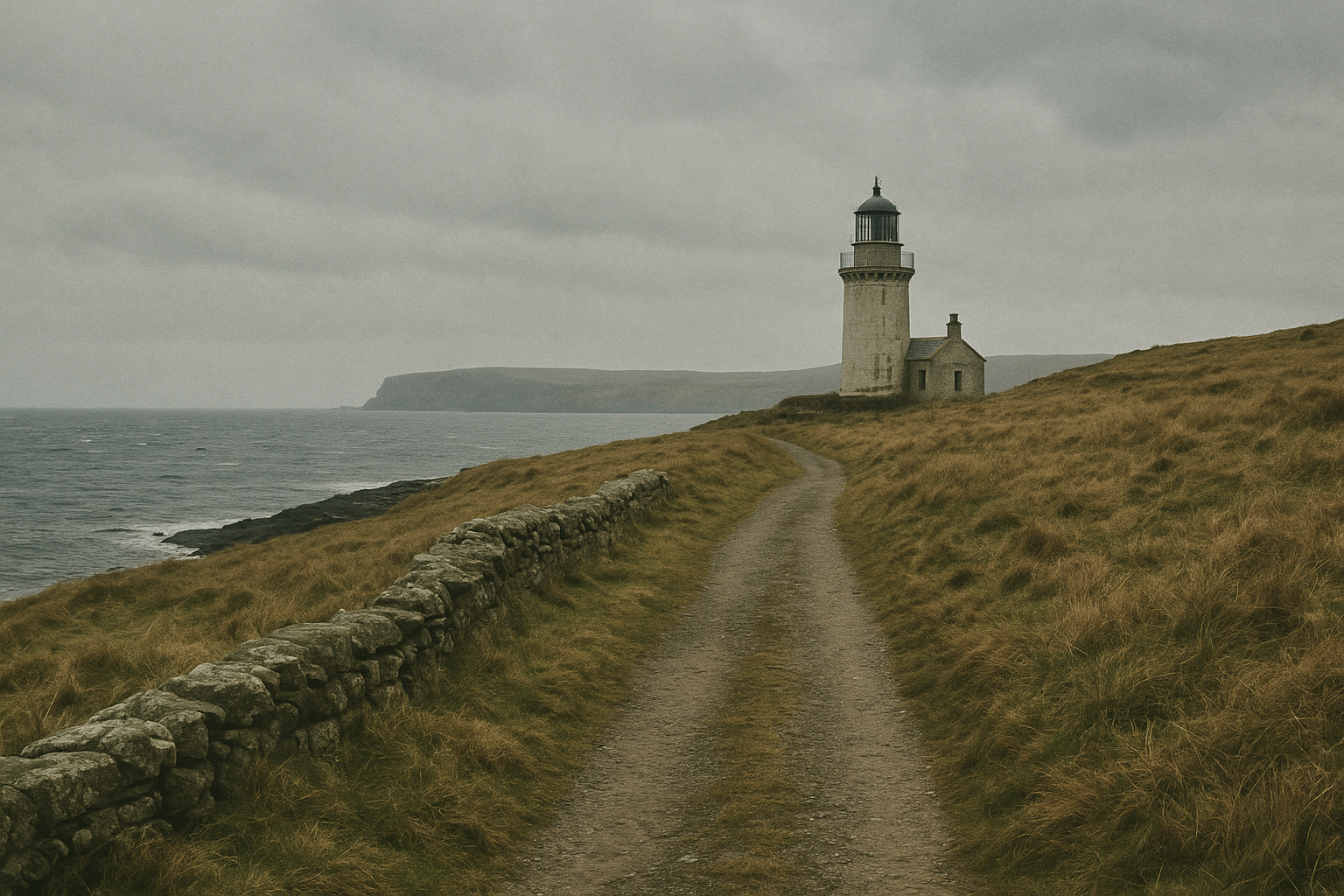
Sweeping winds over open water favored taller cylindrical towers set farther inland, balancing visibility with storm resilience.
Supporting note: masonry surveys show repeated reinforcement at door arches after winter gale cycles.
Sheltered channels and shifting tidal flats produced clustered timber lights, often paired with range markers instead of single dominant towers.
Supporting note: estuary charts indicate frequent realignment of approach markers between 1890 and 1915.